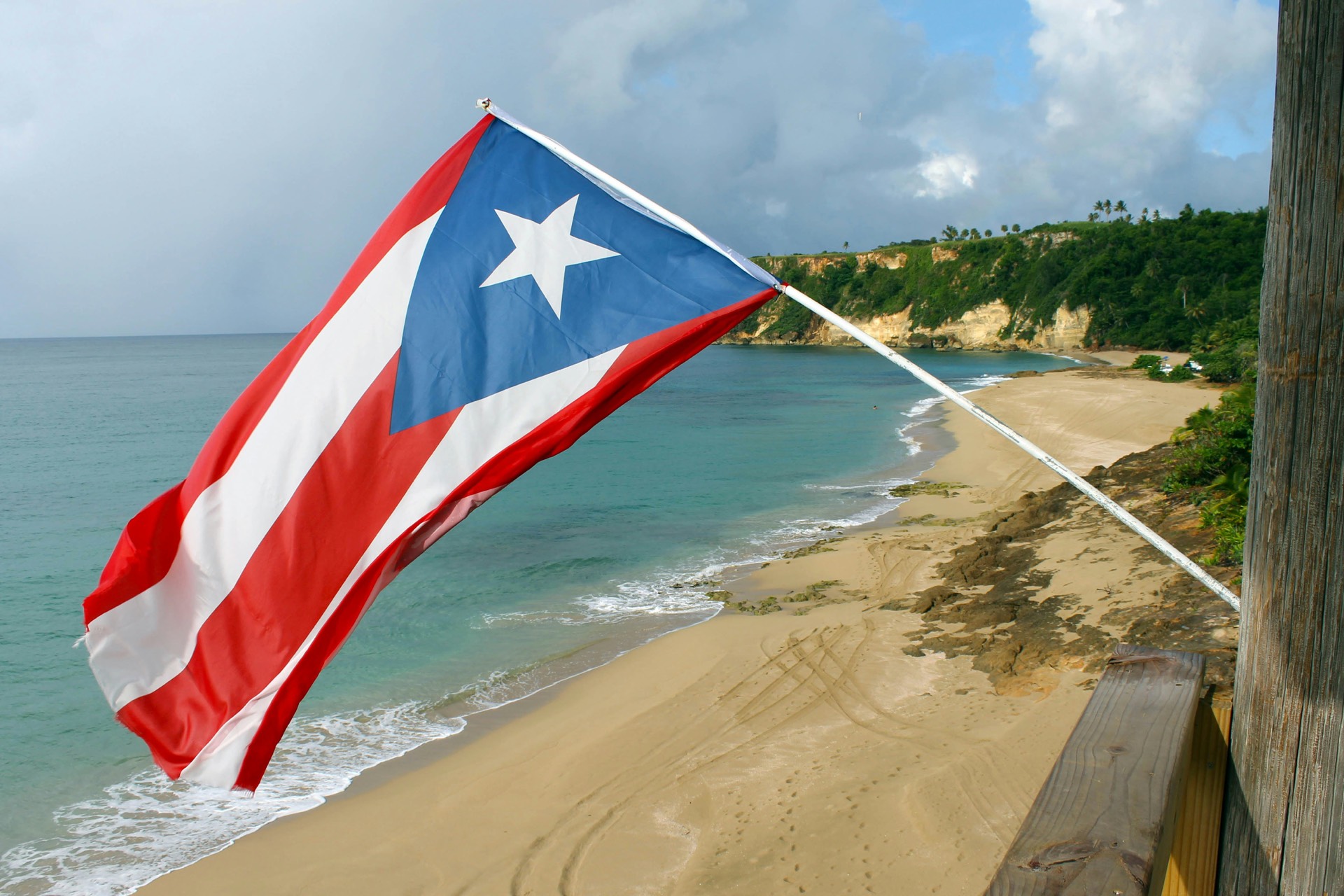
An apostilled Puerto Rico birth certificate is what foreign governments require to recognize your birth abroad — for Spanish citizenship by descent, immigration to Latin America and Europe, marriage abroad, and inheritance matters across the Spanish-speaking world.
Whether issued by territorial authority or routed through federal authentication, a properly authenticated birth certificate is what foreign governments require to recognize your Puerto Rico birth abroad.
An apostille is required for almost every cross-border use of a U.S. birth certificate. The most common reasons Puerto Rico residents request authentication:
Hereditary citizenship programs — Italian jure sanguinis, Irish foreign birth registration, Polish confirmation of citizenship, German Stammbaum applications, and similar processes in Portugal, Spain, Hungary, Lithuania, and beyond — all require apostilled birth certificates. Most demand certificates not just for the applicant but for parents, grandparents, and sometimes great-grandparents, every certificate apostilled and often translated by a sworn translator the destination country recognizes. Italy is particularly strict: dossiers commonly require certificates issued within the last six months, with apostille and certified Italian translation. A single missing apostille or expired document can return the entire packet and reset the timeline.
Long-stay visas, residency permits, and immigration applications across most of the world require an apostilled birth certificate as part of the standard application packet. Spain's non-lucrative visa, Portugal's D7 and D8, France's visa long séjour, Italian elective residency, UAE residency, Mexico's temporary residence visa, and digital nomad visas in Greece, Croatia, Costa Rica, and Estonia all demand the apostilled original. Many require recent issuance — typically within three to six months of submission — which catches applicants who pulled an apostille years ago for another purpose and assumed it was still valid.
Inheriting property, bank accounts, or business interests abroad — or being named in a foreign will — typically requires an apostilled birth certificate as proof of lineage and identity. Italian successione proceedings, Spanish herencia processes, UK probate involving overseas claimants, and inheritance matters in Latin America and the Philippines all routinely require apostilled vital records for every named heir. The complication: foreign probate timelines often run months, and the apostilled birth certificate is usually requested at a stage where delay translates directly into frozen assets or contested ownership.
Marrying outside the United States — whether a destination wedding in Italy, Greece, or Mexico, or a permanent move with a foreign partner — almost always requires an apostilled birth certificate before the local civil registrar will issue a marriage license. Italian comuni require apostille plus sworn Italian translation. Mexican civil registries require apostille plus official Spanish translation. Greek ληξιαρχείο offices, French mairies, and Spanish Registro Civil offices all have their own additional layers. Couples often discover the requirement only weeks before the wedding, which is too late for several states' standard timelines.
Puerto Rico has a particular complication that catches almost everyone born on the island before mid-2010: those older birth certificates are no longer valid for any official purpose — including apostille — and a new certificate must be issued before the apostille process can begin. We handle the full chain.
Tell us where the document is from and where it's going. We'll respond same-day with a quote and timeline.
Request a QuoteTell us where the birth certificate is from and where it needs to go. We'll respond same-day with a quote and timeline.